- TED IWERE
- Posts
- 5 Tips For Managing Your Cash Flow
5 Tips For Managing Your Cash Flow

Ted Iwere
January 27, 2026

Hello! Welcome to my weekly newsletter where I share ideas on entrepreneurship and business development. Feel free to sign up for 1:1 Coaching or Group Coaching on starting, growing or scaling your small business.
Dear reader,
IN THIS ISSUE
5 Tips For Managing Your Cash Flow
DEEPTHINK

5 Tips For Managing Your Cash Flow
According to PwC’s Nigeria MSME surveys, delayed customer payments, electricity costs, and limited access to finance are the leading cash-flow constraints for small businesses. Many companies are profitable on paper but collapse overnight because they run out of cash.
The good news? Financial management doesn’t require an accounting degree. You just need the right systems and the discipline to use them.
Here are 5 practical tips to transform how you manage your business finances.
1. Profit and Cash Are Not the Same Thing
Many business owners confuse profit with cash flow, and this confusion could destroy your business.
Profit is what’s left after you subtract expenses from revenue on paper. Cash flow is the actual money moving in and out of your bank accounts.
You can show ₦500,000 in profit for the month but have only ₦50,000 in your account because customers haven’t paid their invoices yet, you had to buy inventory upfront before selling it, or you invested in equipment that’s recorded as an asset rather than an expense.
But more importantly, the timing of money movement matters more than the numbers on your profit statement. This is why seemingly profitable businesses shut down – they can’t pay suppliers or make payroll, even though the numbers look good on paper.
The key reason why you need to understand the difference between cash and profit is that it will help you stop making decisions based solely on profit and start focusing on actual cash in your bank account.
2. Frequently Review Your Cash Flow
Most business owners wait until tax time to examine their numbers, which guarantees financial surprises and crises.
Instead, you want to set aside 30 minutes every week with your bookkeeper or accountant to review your financial status or use software that helps you keep track of your cash flow status on a regular basis.
And for each review session, ask yourself these four critical questions: How much cash do we actually have right now? What bills are due this week, and can we pay them? What money should be coming in from customers? Are there any emerging problems we need to address immediately?
These simple regular cashflow check-ins transform your relationship with money from reactive to proactive.
3. Create A 13-Week Cash Flow Forecast
The single most powerful financial tool for any business is a simple spreadsheet that tracks your expected income and expenses week by week for the next three months.
Creating this forecast forces you to think ahead strategically about when your big clients will pay their invoices, when your rent is due, whether you have enough money to buy inventory for next month, and how much you’ll spend on diesel or electricity.
Update your forecast every single week without fail and compare what actually happened against what you planned. Did that customer pay on time, or are they late? Did you spend more or less than expected?
This practice helps you get better at predicting your cash flow over time, and accuracy gives you confidence in making business decisions. The forecast also reveals cash flow gaps weeks before they become emergencies, giving you time to arrange short-term financing, delay certain purchases, or accelerate customer collections.
4. Track Key Operations Metrics
Beyond standard financial reports, Nigerian businesses must track specific numbers that reflect local operating conditions.
First, monitor your receivables ageing religiously – know exactly who owes you money, how much, and for how long, then follow up weekly on any invoices over 30 days old because the longer a receivable ages, the harder it becomes to collect.
Second, track your energy costs separately from general expenses, including diesel spending, electricity bills, and solar maintenance, then calculate your “days of power coverage”, which tells you how many days of energy costs your current cash can cover and reveals how vulnerable you are to power-related cash flow shocks.
Finally, create a dedicated cash reserve specifically for power costs because electricity expenses in Nigeria are unpredictable and can spike unexpectedly, and having this buffer prevents fluctuations from derailing your entire cash flow.
5. Plan for Seasonal Cash Flow Variations
Most businesses have busy and slow seasons, which is completely normal, but you must plan for these fluctuations rather than being surprised every year.
During profitable months, resist the temptation to spend everything and instead save money specifically for slower periods by creating a cash reserve that can carry you through tough times (aim for three months of expenses in reserve to give you breathing room when revenue drops).
Track your seasonal patterns by comparing the same months across different years to identify when January is always slow, or December is always busy.
Use these patterns to plan strategically by reducing inventory purchases before slow months, minimising new commitments during typically weak periods, and ensuring you have adequate inventory and staff ready before busy seasons arrive.
This seasonal awareness transforms your financial management from reactive panic to strategic preparation. So when the slow season comes, you’re ready instead of scrambling, and when the busy season hits, you’re fully stocked instead of running out of products.
Action Steps
Financial management isn’t complicated, but it requires discipline.
Want to take immediate control of your cash flow? First, schedule your first 30-minute weekly cash flow meeting and put it on your calendar as a recurring appointment. And based on that, you can implement the other tips shared in this article to better manage your cash flow.
These actions take just a few hours but protect your business from the financial crises that destroy most companies.
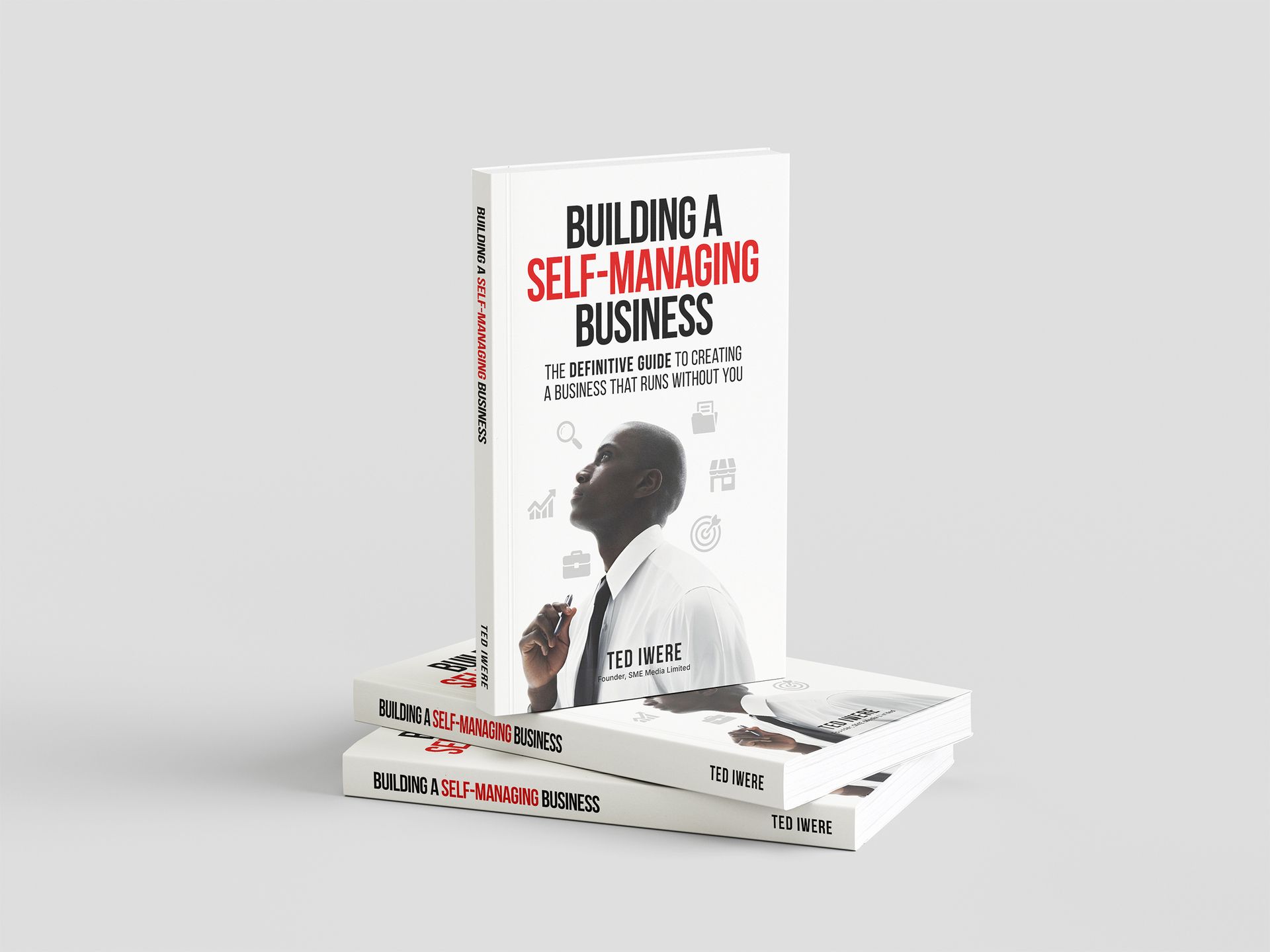
This newsletter is adapted from our latest ebook – Building a Self-Managing Business. Which provides a comprehensive financial management guide for business owners.
Want to learn more?
Grab a copy today!
Ad - Book Your Luxury Vacation Home in Highbrow Ikoyi, Lagos

Find Your Perfect Short-term Stay in Ikoyi, Lagos.
Relax, Recharge and Experience Lagos. Unwind in top-notch amenities and stunning views. Discover a serene, equipped and stylishly furnished 1-bedroom haven. Book your home away from home!
Send a message to +234 809 673 8228 (Whatsapp) for more information
RESOURCES

HOW TO INVEST
Expert Business Guidance For Growth
Get expert guidance and support when you need it the most.
Our team provides personalised advice, helping you overcome challenges, achieve your goals and succeed in the Nigerian market.
Let’s work together!

BOOKS
Building A Self-Managing Business: The Definitive Guide To Creating A Business That Runs Without You
Did you build a business, or did you accidentally create a prison?
You started this journey for freedom, but if you can’t get through dinner without your phone ringing or take a vacation without checking email, you’ve hit the "Golden Handcuffs" phase. You aren’t just the boss; you are the bottleneck.
It is time to fire yourself from the daily grind and build a company that runs without you.
The "Building a Self-Managing Business" ebook is a 90-day roadmap tailored specifically for the Nigerian market. From navigating power costs to leveraging local tools like Paystack and Flutterwave, this ebook teaches you how to:
Escape the "Owner Trap": Move from doing everything to leading the vision.
Build Systems: Create SOPs that allow your team to make decisions without you.
Master Cash Flow: Protect your business against local economic shocks.

See us on YouTube
Receive our Newsletter
Join our Community
Visit our Website
Feedback
How would you rate this newsletter? Click here to share your thoughts
