- TED IWERE
- Posts
- 5 Ways To Retain Your Customers
5 Ways To Retain Your Customers

Ted Iwere
February 24, 2026

Hello! Welcome to my weekly newsletter where I share ideas on entrepreneurship and business development. Feel free to sign up for 1:1 Coaching or Group Coaching on starting, growing or scaling your small business.
Dear reader,
IN THIS ISSUE
5 Ways To Retain Your Customers
DEEPTHINK

5 Ways To Retain Your Customers
According to Harvard Business Review, acquiring a new customer can cost 5 to 25 times more than retaining an existing one. Even small improvements in retention rates can dramatically impact profitability because loyal customers purchase more frequently, spend more over time, refer others to your business, and forgive occasional mistakes far more readily than new customers would.
In this article, we share five strategies to help you do exactly that.
1. Build A Follow-Up System Before You Need One
Most businesses fail terribly at follow-up. They work hard to acquire customers and then neglect them completely after the sale. The customer gets their product or service, the business moves on to finding the next customer, and the relationship quietly dies. This represents one of the biggest missed opportunities in business because effective follow-up systems can double or triple each customer’s lifetime value.
The solution is creating automatic follow-up sequences for different customer types so that follow-up happens consistently without depending on you to remember. New customers should receive follow-up at one, seven, and thirty days after purchase, with messages focused on welcome communications, usage tips, and satisfaction checks. These early touchpoints resolve problems before they become complaints and demonstrate that your interest in the customer didn’t end when they paid.
Regular customers benefit from monthly follow-up featuring value-added content and exclusive offers that make them feel appreciated rather than just marketed to. Past customers who haven’t purchased recently should receive quarterly messages highlighting new services or win-back offers designed to re-engage them. The key is building these sequences once and letting them run automatically while you focus on other parts of the business.
2. Mix Automation With Personal Touches
Automated follow-up systems create consistency and scale, but they can feel impersonal if that’s all customers ever receive. The strongest customer relationships combine systematic automation for routine communication with genuine personal touches that show individual customers they matter as people, not just as revenue sources.
Use your automated systems for scheduled check-ins, educational content, promotional offers, and routine communications. Then layer personal moments on top of this foundation. A quick phone call to a long-term customer who hasn’t purchased recently can accomplish more than ten automated emails. A handwritten note acknowledging a customer’s loyalty or thanking them for a referral creates a memorable impression that digital communications rarely match.
Track which customers represent your highest value, your longest relationships, or your most active referral sources, then ensure these customers receive personal attention periodically rather than only automated messages. Personal attention doesn’t need to be time-consuming to be effective - a two-minute phone call or a brief handwritten card signals genuine appreciation in a way that automated systems simply cannot replicate, regardless of how well they’re written.
3. Create A Loyalty Programme Worth Participating In
Loyalty programmes can powerfully encourage repeat business, but only when designed correctly. Most loyalty programmes fail because they’re built around what’s convenient for the business rather than what customers actually want, or because they’re so complicated that customers give up trying to understand the benefits.
The most effective loyalty programmes are simple to understand, easy to participate in, and deliver benefits that customers genuinely value. A programme requiring customers to track points across multiple tiers with complex redemption rules creates confusion rather than loyalty. A straightforward programme offering a meaningful discount, exclusive access, or a genuine reward after a specific number of purchases is far more effective precisely because customers understand it immediately and find the reward worth pursuing.
Before designing your programme, ask your existing customers what benefits they would actually value rather than assuming you know. You might discover they care more about priority service or early access to new products than they do about discounts. Customers who feel that a loyalty programme genuinely rewards them become advocates for your business, recommending you specifically because of how you treat loyal customers.
4. Deliver Value Between Purchases
Customer relationships weaken when customers only hear from you when you want them to buy something. Every communication being a sales message trains customers to ignore your contact or view it with suspicion. The businesses with the strongest customer retention deliver genuine value between purchases, which means customers look forward to hearing from you rather than filtering you out.
Send helpful information related to what your customers have purchased from you. If you sell accounting software, share tips on financial management. If you run a restaurant supply business, share recipes or food trend information that your customers can use. If you provide cleaning services, share home maintenance tips. This content demonstrates expertise, keeps your business top of mind, and creates a relationship based on value rather than transactions.
Check in on customer progress with their purchases periodically. Ask whether they’re getting the results they expected, whether they have questions, and whether there’s anything you can help them with. This kind of proactive service turns satisfactory experiences into exceptional ones because most businesses never bother to check whether customers are actually succeeding with what they purchased. Customers who feel genuinely supported remain loyal far longer than those who received good service only during the purchase itself.
5. Treat Referral Sources As Your Most Valuable Customers
The customers who refer others to your business are worth substantially more than their own purchases because they bring in new customers at zero acquisition cost. Yet most businesses treat referral sources identically to all other customers, missing the opportunity to strengthen the relationships that generate the highest business value.
Create a specific follow-up and appreciation system exclusively for referral sources. When someone refers a customer to you, acknowledge it immediately and personally. Update them on how the referred customer is getting on with your business when appropriate, as this confirms their recommendation was justified and reinforces the behaviour. Express genuine gratitude rather than mechanical acknowledgement because people refer business to those they trust and respect and feeling appreciated deepens that trust and respect over time.
Consider what exclusive benefits, early information, or priority access you can provide to your most active referral sources. These customers are essentially unpaid ambassadors for your business and treating them with corresponding appreciation strengthens their motivation to continue recommending you. A customer who referred three people to your business and received genuine appreciation for each referral will refer a fourth person far sooner than one who received a standard automated thank-you message that clearly went to everyone.
Action Steps
The businesses that master customer retention build what amounts to an unfair competitive advantage. While competitors spend heavily acquiring customers that quickly disappear, businesses with strong retention systems generate growing revenue from expanding relationships with customers who already trust them. Their marketing costs decline relative to revenue because existing customers keep buying without expensive acquisition efforts.
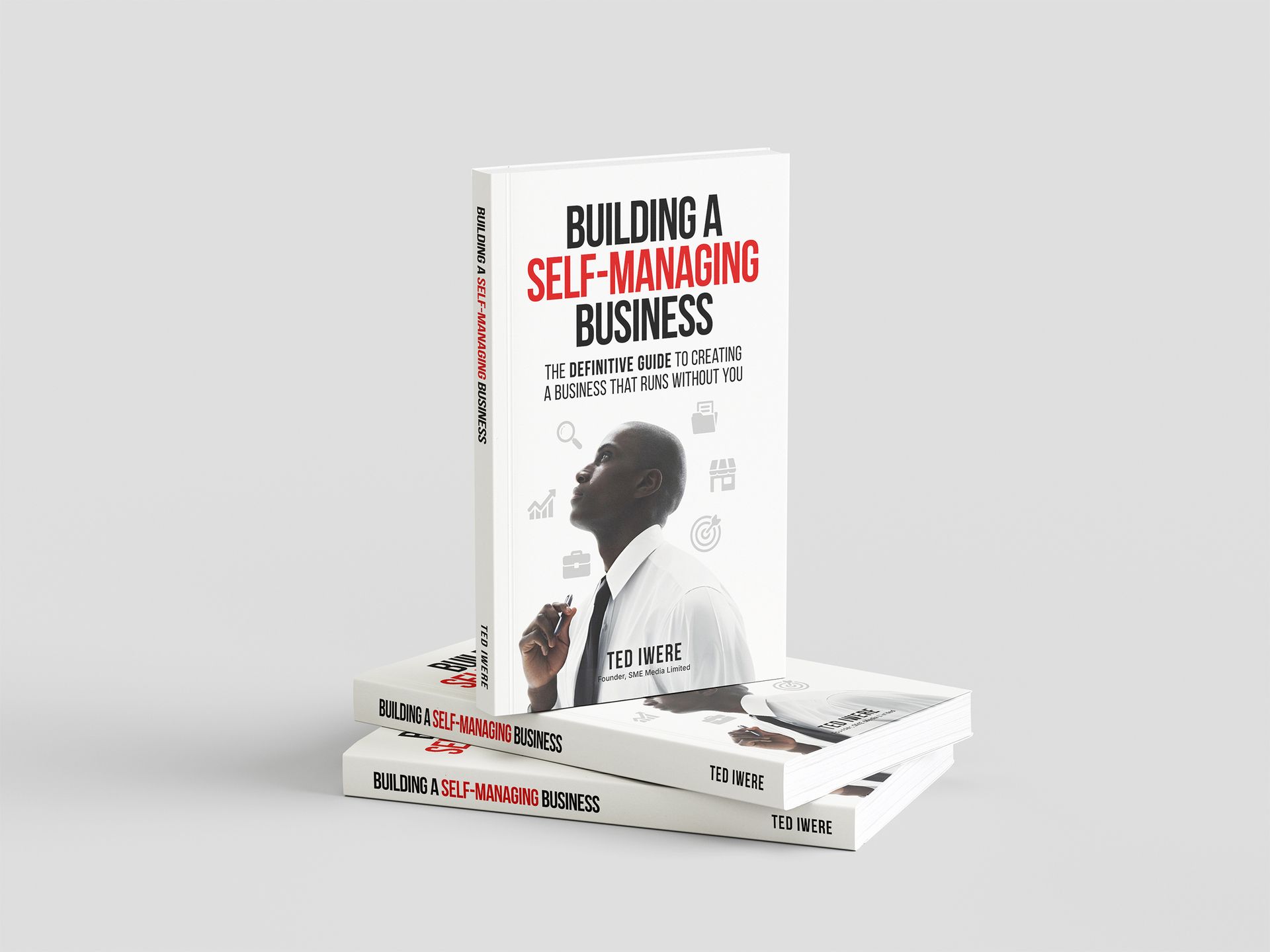
This article is adapted from our latest ebook – Building A Self-Managing Business, covering customer acquisition, retention systems, marketing automation and much more.
Grab a copy today to build a business that helps you achieve true freedom!
Ad - Book Your Luxury Vacation Home in Highbrow Ikoyi, Lagos

Find Your Perfect Short-term Stay in Ikoyi, Lagos.
Relax, Recharge and Experience Lagos. Unwind in top-notch amenities and stunning views. Discover a serene, equipped and stylishly furnished 1-bedroom haven. Book your home away from home!
Send a message to +234 809 673 8228 (Whatsapp) for more information
RESOURCES

HOW TO INVEST
Fluff-Free Insights You Can Use
Our research team provides specialised reports, market analysis and competitor intelligence to help you make informed decisions about entering and operating in the Nigerian market.
We connect you with local partners, distributors and suppliers, so you can maximise your chances of success.

BOOKS
Building A Self-Managing Business: The Definitive Guide To Creating A Business That Runs Without You
Did you build a business, or did you accidentally create a prison?
You started this journey for freedom, but if you can’t get through dinner without your phone ringing or take a vacation without checking email, you’ve hit the "Golden Handcuffs" phase. You aren’t just the boss; you are the bottleneck.
It is time to fire yourself from the daily grind and build a company that runs without you.
The "Building a Self-Managing Business" ebook is a 90-day roadmap tailored specifically for the Nigerian market. From navigating power costs to leveraging local tools like Paystack and Flutterwave, this ebook teaches you how to:
Escape the "Owner Trap": Move from doing everything to leading the vision.
Build Systems: Create SOPs that allow your team to make decisions without you.
Master Cash Flow: Protect your business against local economic shocks.

See us on YouTube
Receive our Newsletter
Join our Community
Visit our Website
Feedback
How would you rate this newsletter? Click here to share your thoughts
